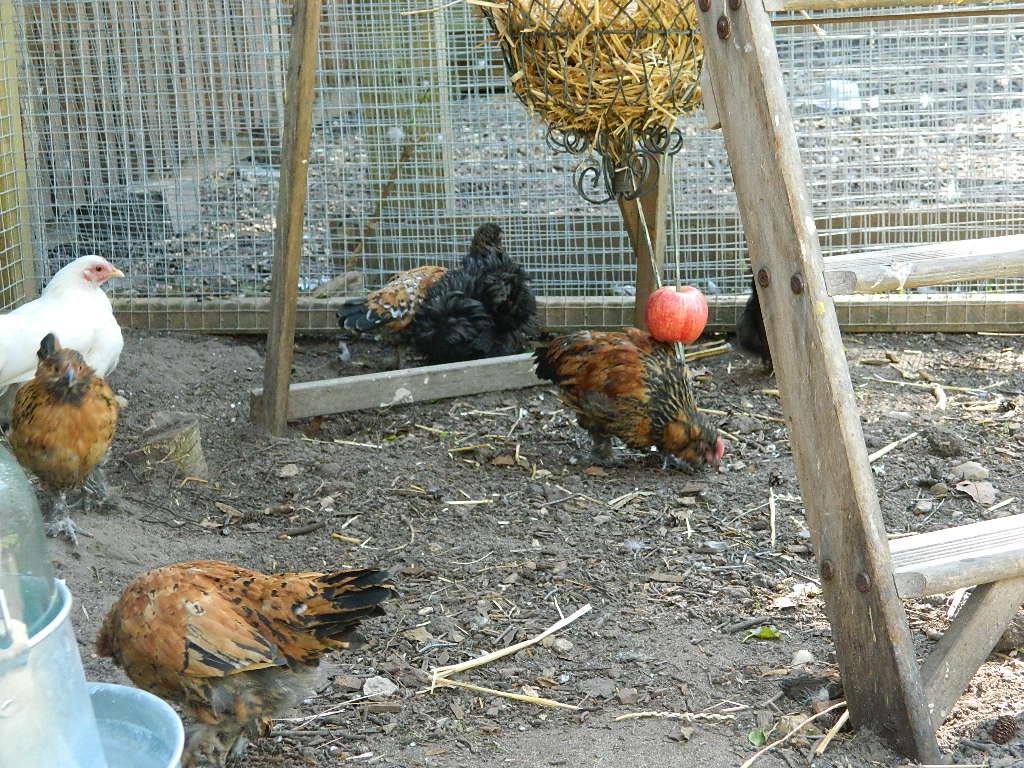
The Hollywater Hens shop has a selection of chicken runs and coops as well as tons of help and advice as to what is best for you and your chickens:
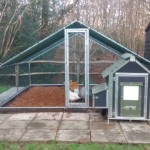


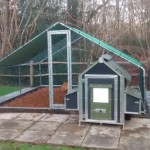
More details and sizes on our Hen Houses / Chicken Coops and Chicken Runs page

Look out for the December issue of BBC Countryfile magazine where Hollywater Hens’ poultry expert Suzie Baldwin contributes to an article all about turkeys.
The firs time Europeans saw turkeys – in North America – they believed the birds must be related to guinea fowl. As guinea fowl were thought to originate in Turkey, their larger American ‘cousins’ were given that name.
The article “Turkey: A Natural History” tells you everything you never knew about the Christmas bird.


We had a lovely surprise this morning – TV presenter Phil Spencer (Location, Location, Location among many others) popped in to let me know how pleased he was with his 6 new hybrid chickens. They are laying everyday and have settled in a treat. Not only that, he has read my new book and loved it! Even had his picture taken with me and of course Doris who can’t resist a camera.


The family wedding is over and Hollywater Hens is open again as usual:

Open Wednesday to Friday
9:00 am – 5:00 pm
Open Saturday and Sunday
10:00am – 4:00pm
Closed – Monday and Tuesday
Open – Bank holidays
Apologies for any inconvenience but Hollywater Hens will be closed this weekend only (26/27 September 2015) due to a family wedding.


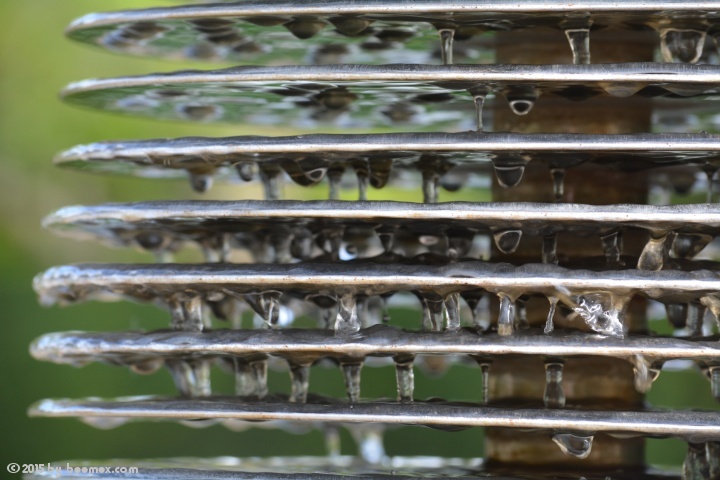
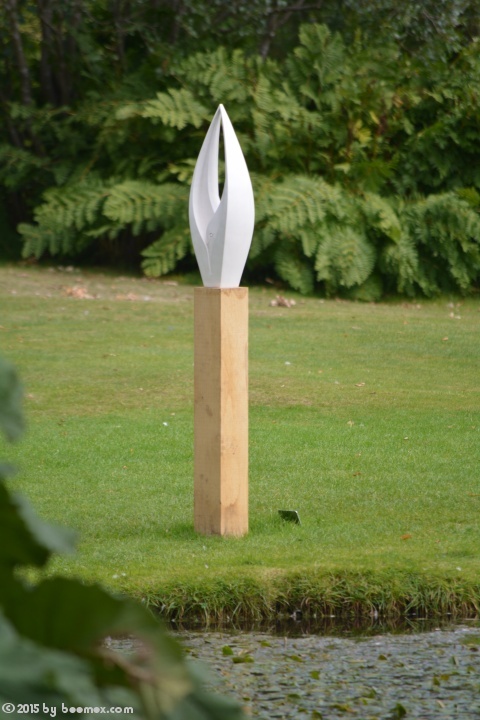
Visitors to The Savill Garden in Windsor Great Park will be able to explore and enjoy a display of imaginative and innovative sculpture, forming an exciting trail which leads around the Garden. The sculptures are inspired by the natural world. All pieces are available to purchase and standard Savill Garden entry fees apply.






According to Oxford Dictionaries (part of the Oxford University Press) the noises that animals make is different depending on where they are from:
The onomatopoeias used to describe the sound produced by a rooster are comparatively different. In English we would say ‘cock a doodle doo’ (which quite frankly sounds more melodic than any sound a rooster could ever produce). For once, the Germans use a word that is shorter than in English, ‘kikeriki’. A French rooster says ‘cocorico’ and an Arabic-speaking one will sound something like ‘kuku-kookoo’. Whereas the vowels differ in these examples, all of them contain a plosive (/k/). Once again, this is the quality of the sound produced by a rooster translated into human speech: loud and piercing. Another example where this is the case is the different onomatopoeias for the sound of a duck: ‘quack’ in English, ‘coin coin’ in French, ‘cua cua’ in Spanish.
Read the full story at http://blog.oxforddictionaries.com/2012/04/onomatopoeia-in-different-languages/


FABULOUS day today, the weather is fantastic and all the birds looking so happy. Great visit from the local Brownies and all my children being lovely ! Long may it last!

"The Brownies had a lovely time, thank you - I think you were lucky to get all the chicks back!!"
"The girls were a real pleasure,if they want to come back we could get them mucking out !"